A living plant: free cancellation as long as the plant has not left the shop. Arrived damaged, or wilted within 7 days despite proper care? We replace or refund. All cancellation and return terms
From the first day at home and through the whole year: what this plant needs and what is better avoided.
A short introduction
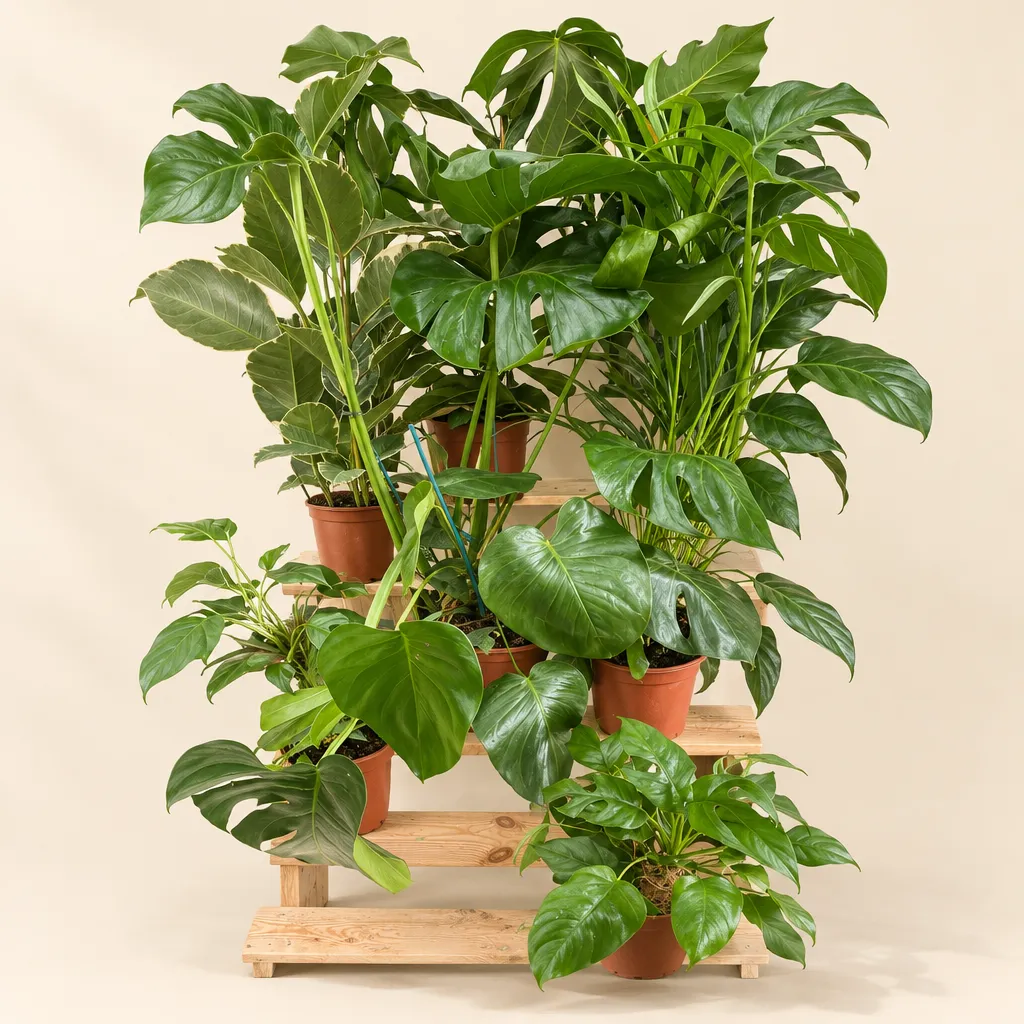
You get an evergreen perennial that usually grows as a climber and develops aerial roots. Depending on the species and the plant's maturity, the leaves may develop holes or splits. Keep it away from children and pets that might chew it, as chewing causes irritation in the mouth.
The first days at home
Remove the wrapping and check that water can drain from the bottom of the pot. Choose a bright spot without direct sunlight or air conditioner drafts, and check the potting mix before watering. Keep the plant in its current pot as long as there is drainage and the roots are not significantly crowded.
Where should it go?
Indoors, choose a bright spot away from air conditioner airflow. On a balcony, choose bright shade and a spot sheltered from wind and strong summer sun. In winter, protect the plant from cold and prolonged rain. In coastal areas, allow airflow without strong wind and check that the potting mix does not stay wet.
When should I water?
Push a finger a few cm into the potting mix, and water when this layer has dried out and the pot feels lighter. Water until it runs out of the drainage holes, then empty the saucer or decorative outer pot. Yellowing leaves together with potting mix that stays wet for a long time may indicate overwatering. Drooping leaves with dry potting mix and a light pot may indicate too little water.
Potting mix and feeding
Potting mix and drainage
Choose an airy potting mix that holds some moisture but lets excess water drain away, for example one with perlite and pieces of bark. Make sure there are drainage holes and that the pot is not standing in water.
Feeding
Fertilize when the plant is putting out new leaves and actively growing. When growth stops, or when the plant is suffering from too much water or dryness, hold off on fertilizing.
Through the year
In the growing season, water when the top of the potting mix has dried out. You can also fertilize. Water a little less in winter. The plant is more prone to root diseases in cold weather, so check that the potting mix doesn't stay wet. Keep the plant warm year-round. Long spells of cold can harm it. Give it bright light out of direct sun, which can scorch its large leaves.
Pruning, a bigger pot and propagation
Pruning and tidying
Remove leaves that have dried out or turned completely yellow with a clean tool, and wipe dust off the leaves with a damp cloth. Leave green leaves and healthy aerial roots in place, and wear gloves to avoid contact with the irritating sap.
When to move to a bigger pot
Move the plant to a slightly larger pot once the roots reach the bottom and sides of the current pot.
Propagation
You can propagate from a stem cutting with a node where a leaf or aerial root grows, preferably with a healthy leaf too; a leaf with only its stalk, without a stem node, will not grow into a new plant.
Do and don’t
Good habits
Give the plant a sturdy stake when it starts climbing so the stems don't break.
Water when the top of the potting mix has dried out.
Wipe dust off the leaves regularly.
Keep the air warm and humid.
What to avoid
Keep the plant out of direct sunlight. It can burn the leaves.
Avoid moving it into a much bigger pot. Go up one pot size at a time, and only once the roots have reached the bottom and sides.
Avoid keeping the potting mix wet in the cold season. The plant is prone to root diseases.
Signs worth checking
If pale, dry patches appear on the side facing the window, check whether direct sunlight is scorching the leaves; brown tips can result from dry potting mix or air conditioner drafts. If you see pale dots, fine webs or white clumps, also check the undersides of the leaves and where they join the stem for pests.
Pot
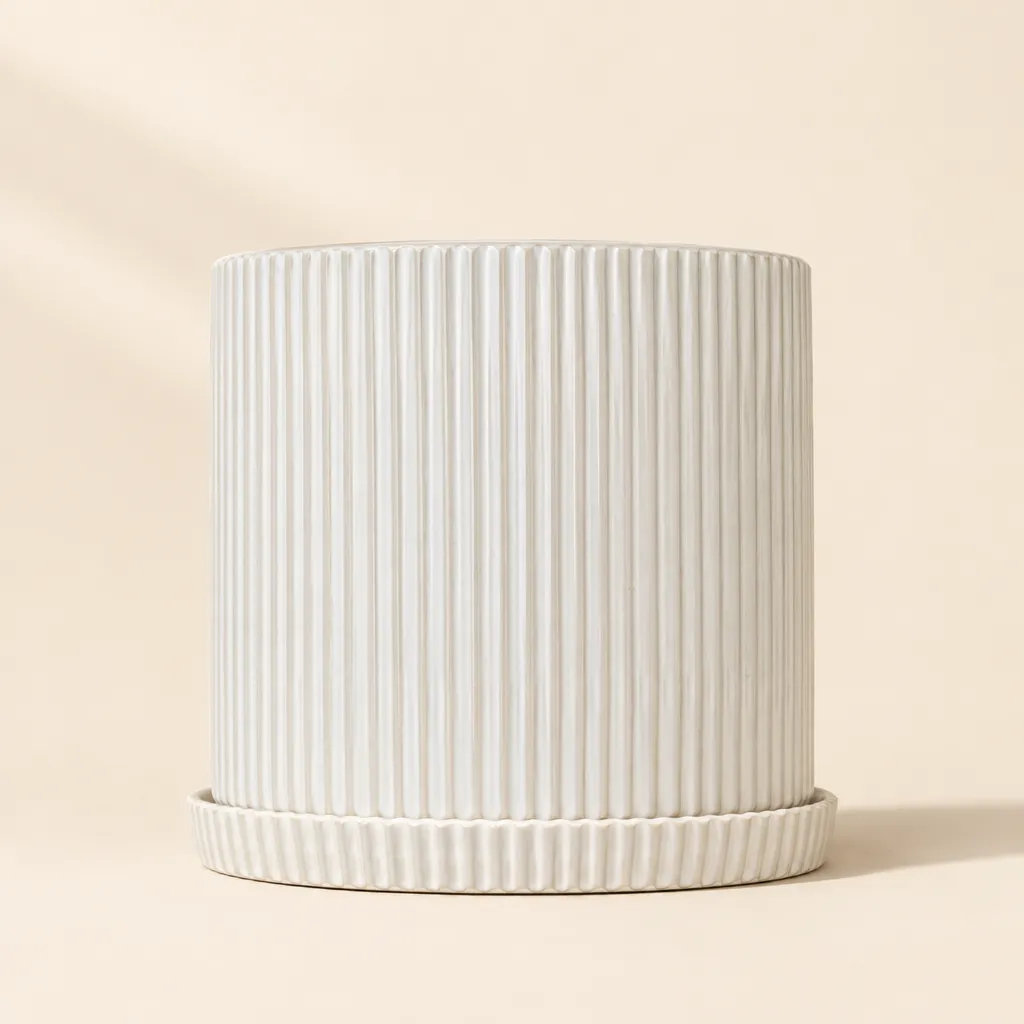
When the roots fill the pot, choose a pot with drainage holes that is only slightly larger than the current one. Add sturdy support when the plant starts to climb, and empty any water that collects in the decorative outer pot.
Before buying even one plant, check how much sun actually reaches your balcony. A guide by direction: what to plant facing south, west, east and north, which planter to choose, how to check toxicity to
Reviews
There are no reviews yet.